This latest selection brings together several directions I’m exploring with Yo With The Camera: expressive portraits, strong color, fashion, and images that move into a more imagined world. There are warm studio tones, deep reds, bright yellow fabric, and snow-covered environments. Seeing them together makes it easier to look at what connects them, even when the settings are very different.
The person in the frame is that connection. Expression, posture, and the way someone occupies the image give me a foundation to build around. A dress, a background, or an added visual element can change the story, but I want the portrait to retain its character.
Starting with the portrait
Exposure, color, and composition remain central to how I think about an image. Before taking a creative direction further, I’m looking at where the eye goes, how the light describes the face, and whether the pose reads clearly. Those decisions matter just as much in a restrained studio portrait as they do in a more elaborate image.
These images also give the collection some breathing room. Every photograph doesn’t need the same amount of visual intervention.
Letting color and gesture do some of the work
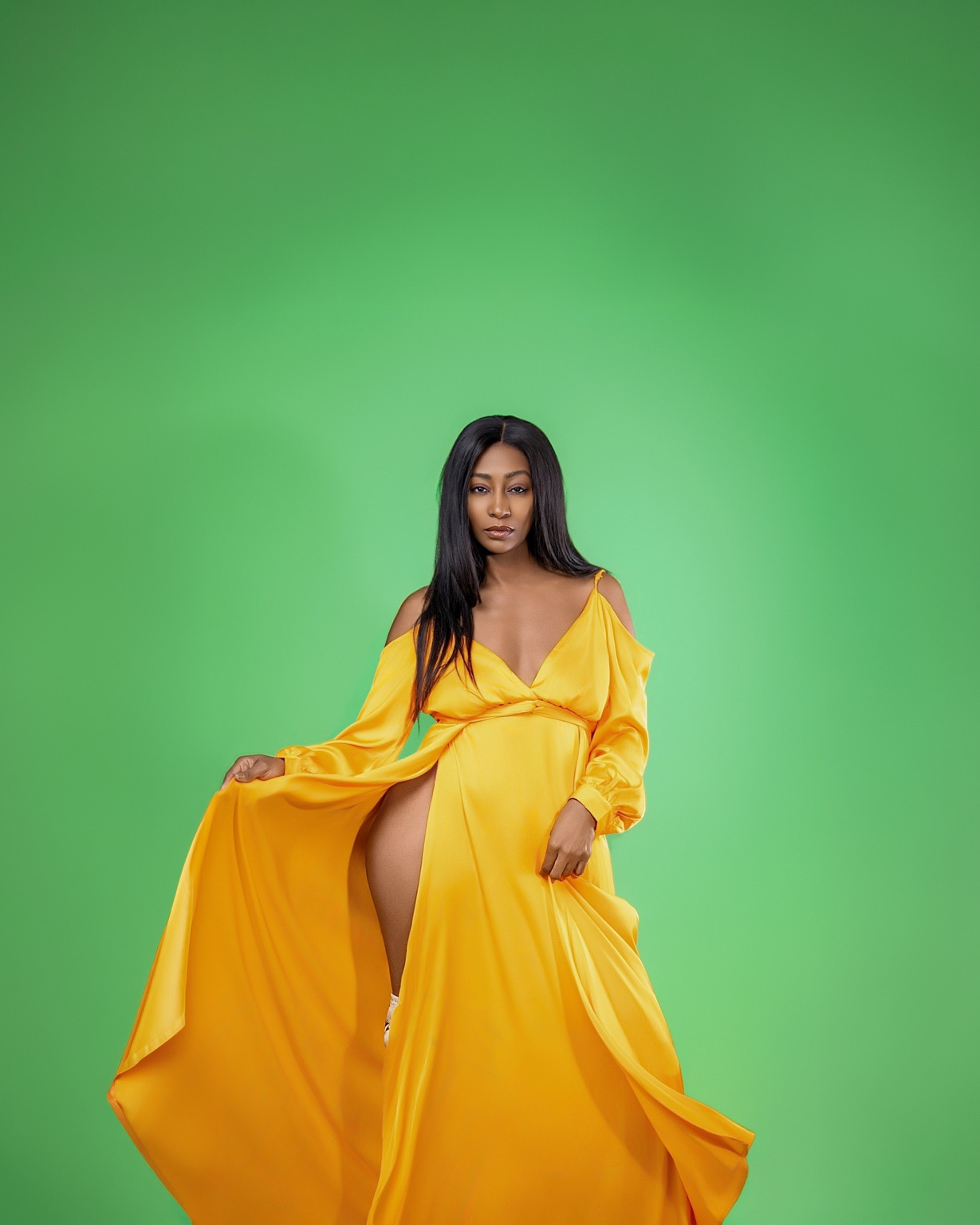
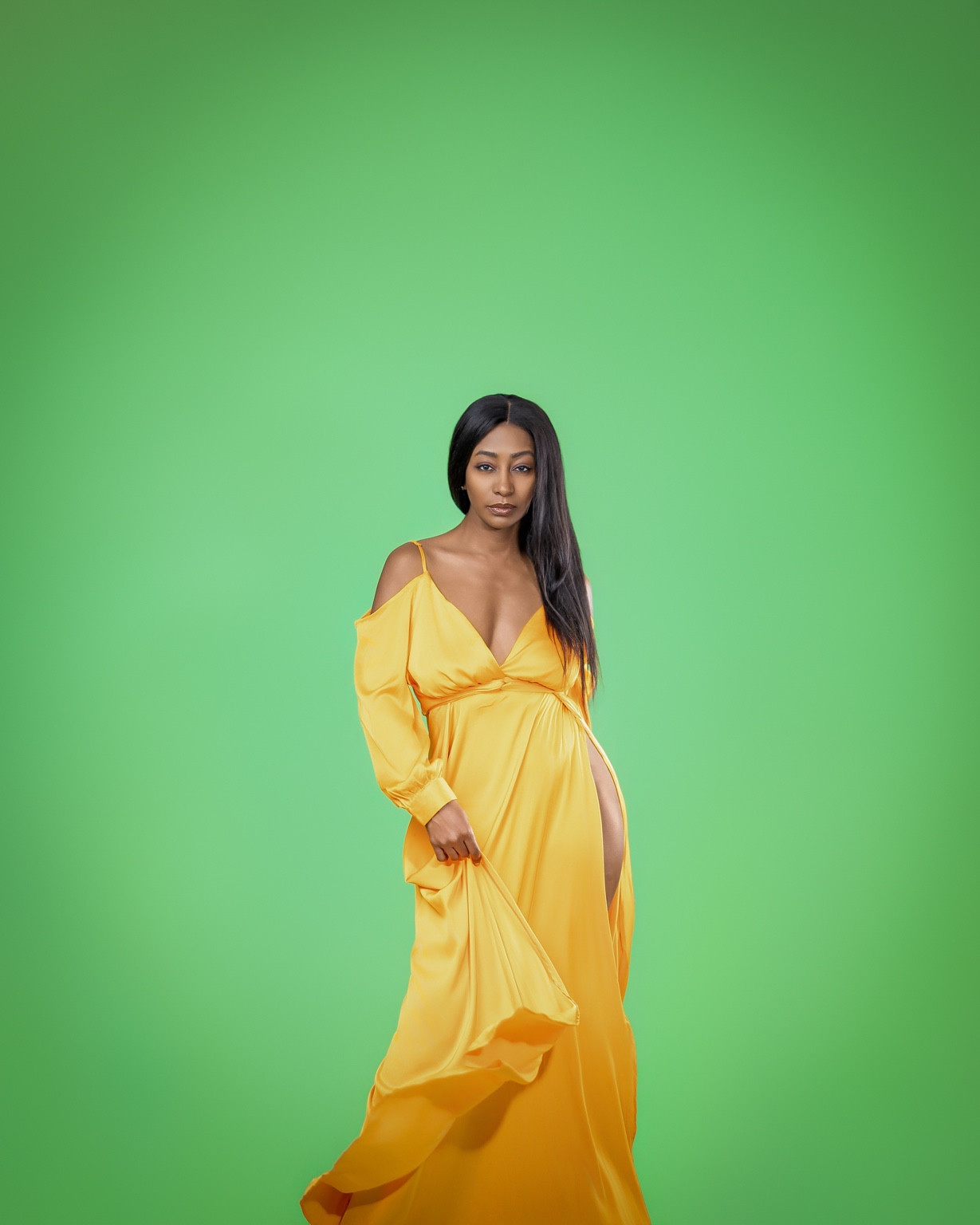
The yellow-gown images explore how much can change within a simple color relationship. Yellow against green is bold, but the fabric and body position give each frame a different rhythm. In one, the lifted skirt opens the silhouette. In the other, the standing pose and falling folds bring the attention back toward the figure.
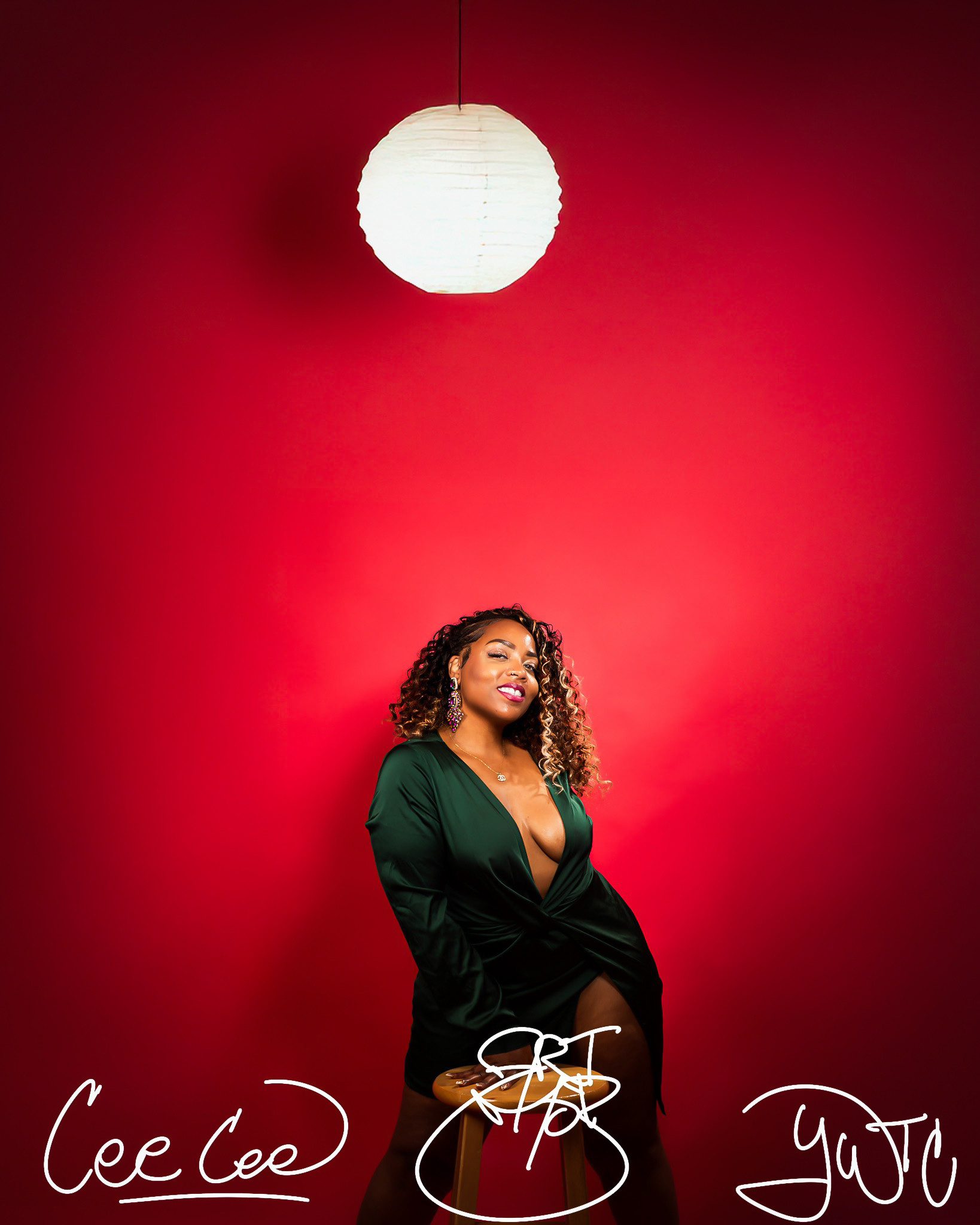
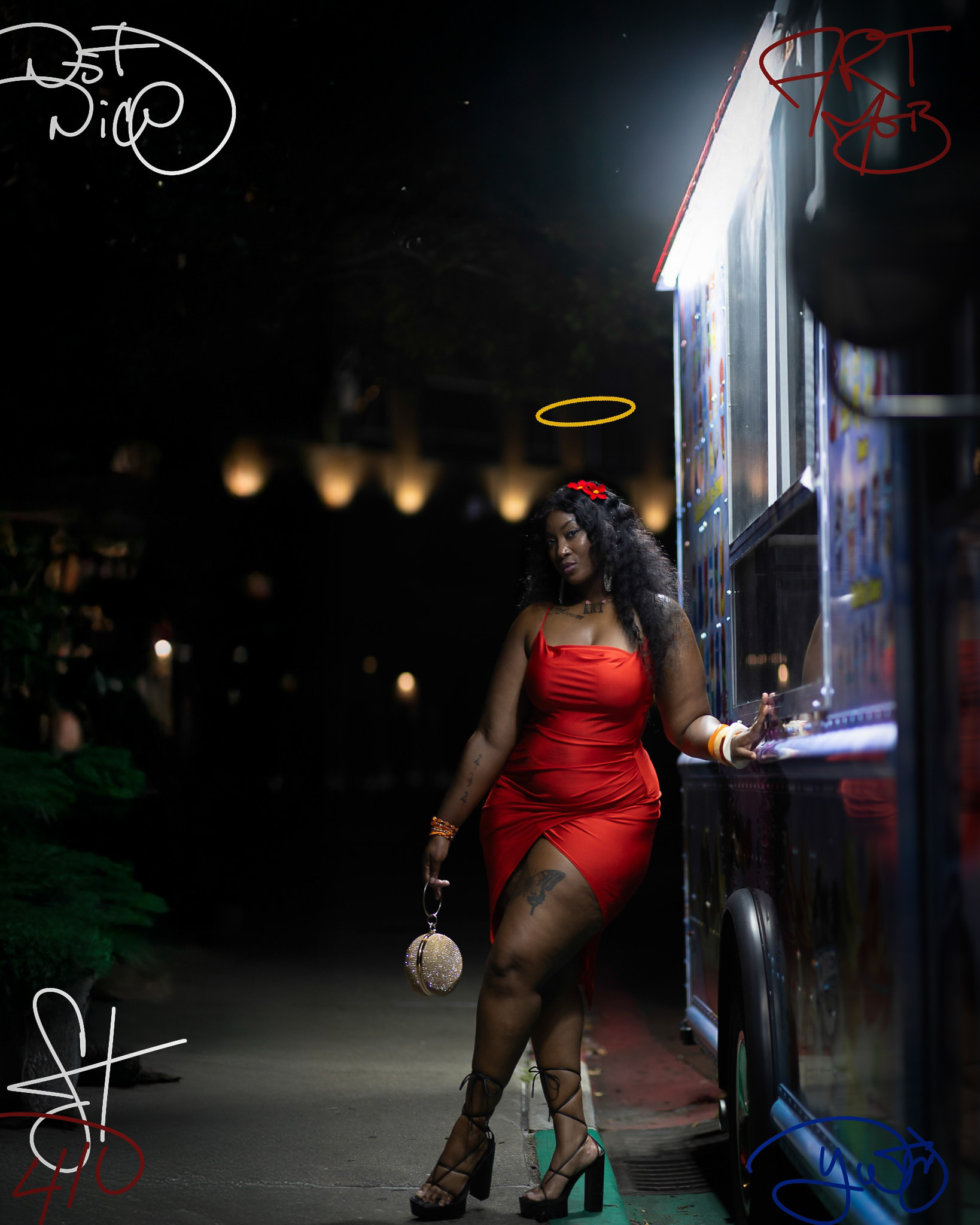
The green dress against the red studio background uses a stronger color contrast. The round lantern above the subject adds another shape to the composition, while the smile gives the portrait warmth. In the nighttime street image, the red dress becomes a focal point within a much darker scene. The light along the building and the small golden halo create separate points of attention around the figure.
I’m interested in how those choices work together. Color can establish a mood quickly; gesture gives that mood a human expression.
Lifted yellow fabric opens the shape of the portrait.The standing pose gives the yellow gown a quieter line.Green against red, with a lantern overhead and warmth in the expression.A red dress and small golden halo stand out against the night.
Building an imagined setting
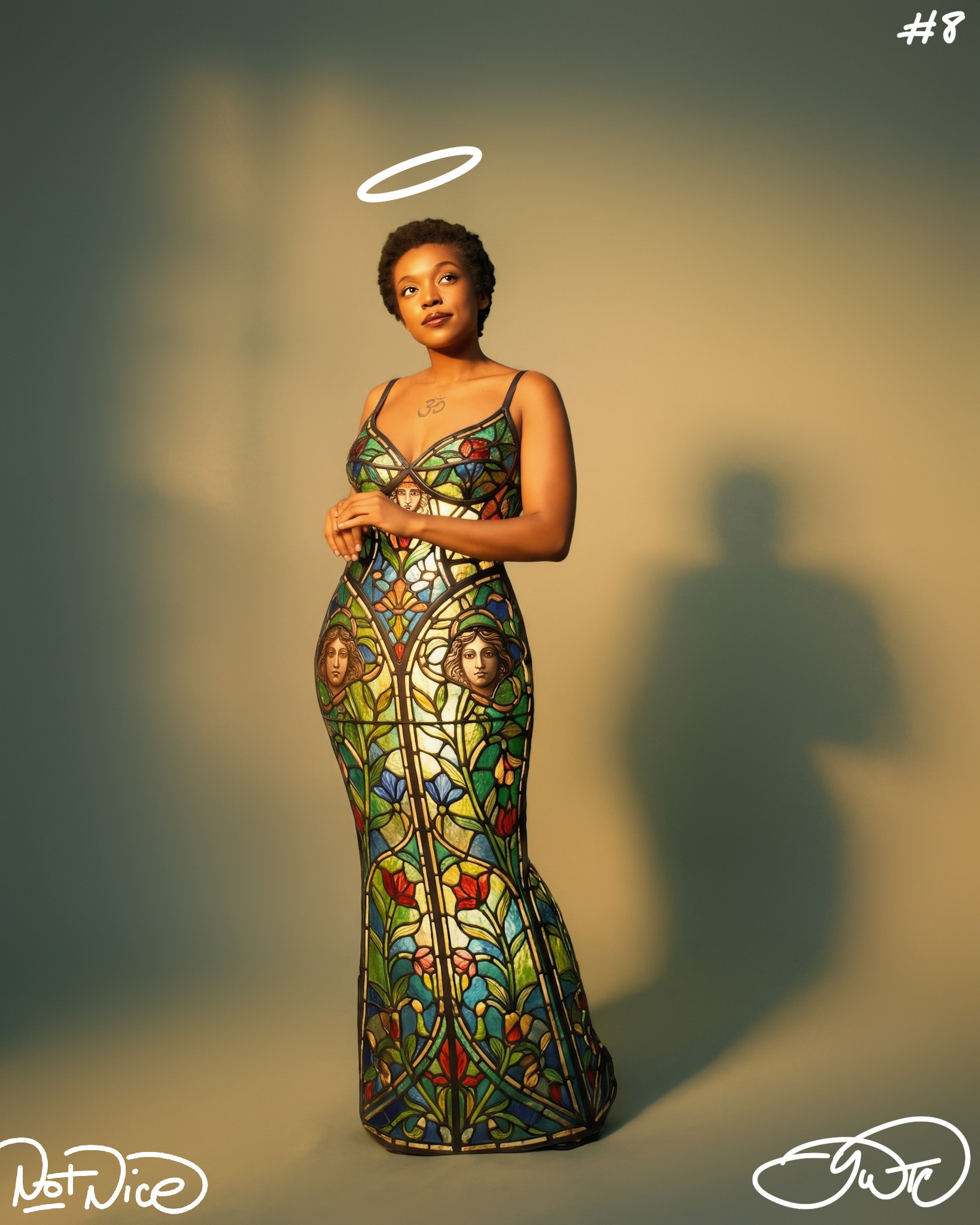
The stained-glass-inspired gown takes the fashion image in another direction. Its pattern is intricate, while the surrounding space stays relatively simple. The shadow and drawn halo add layers without filling every part of the frame. That balance between detail and open space is something I want to keep exploring.
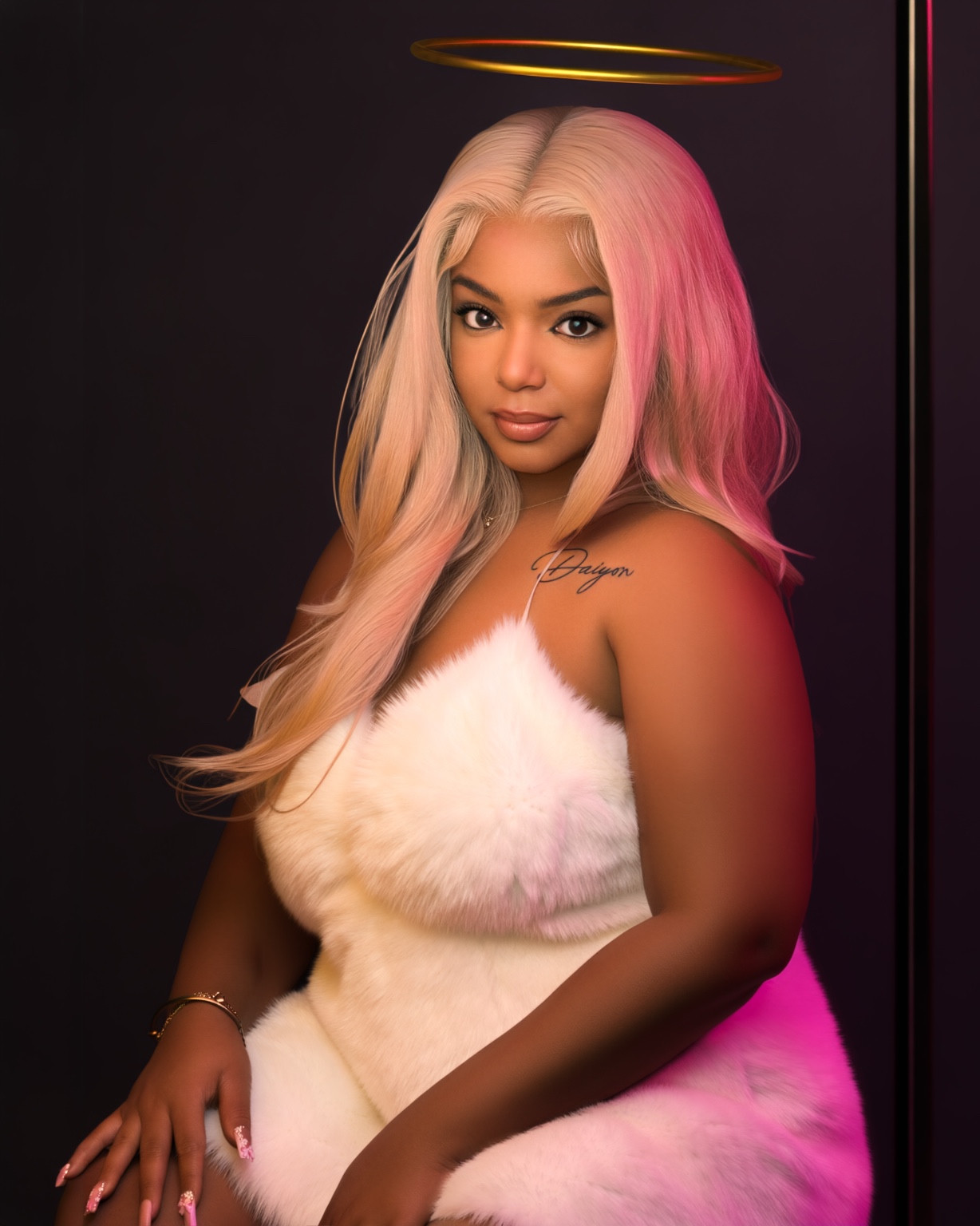
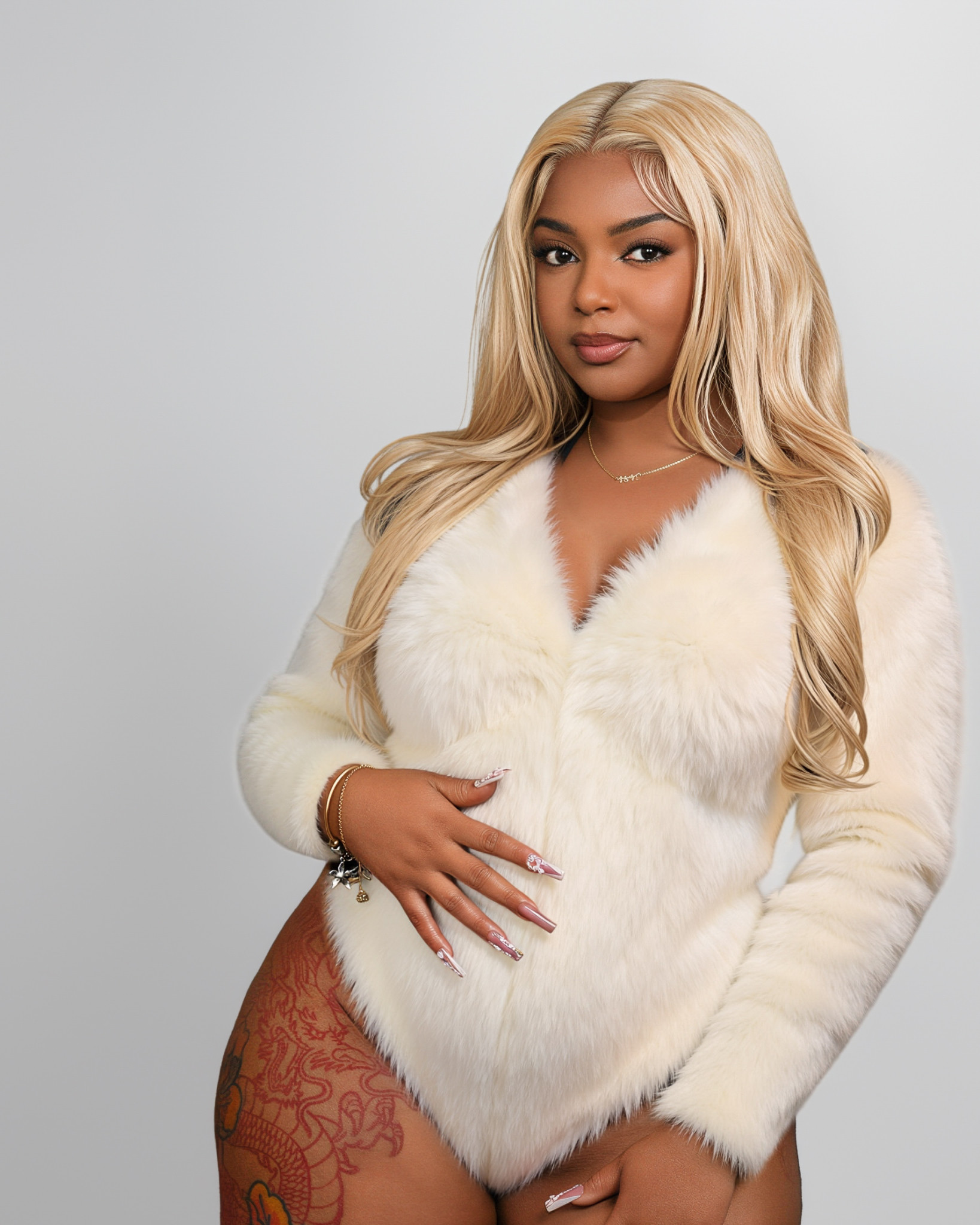
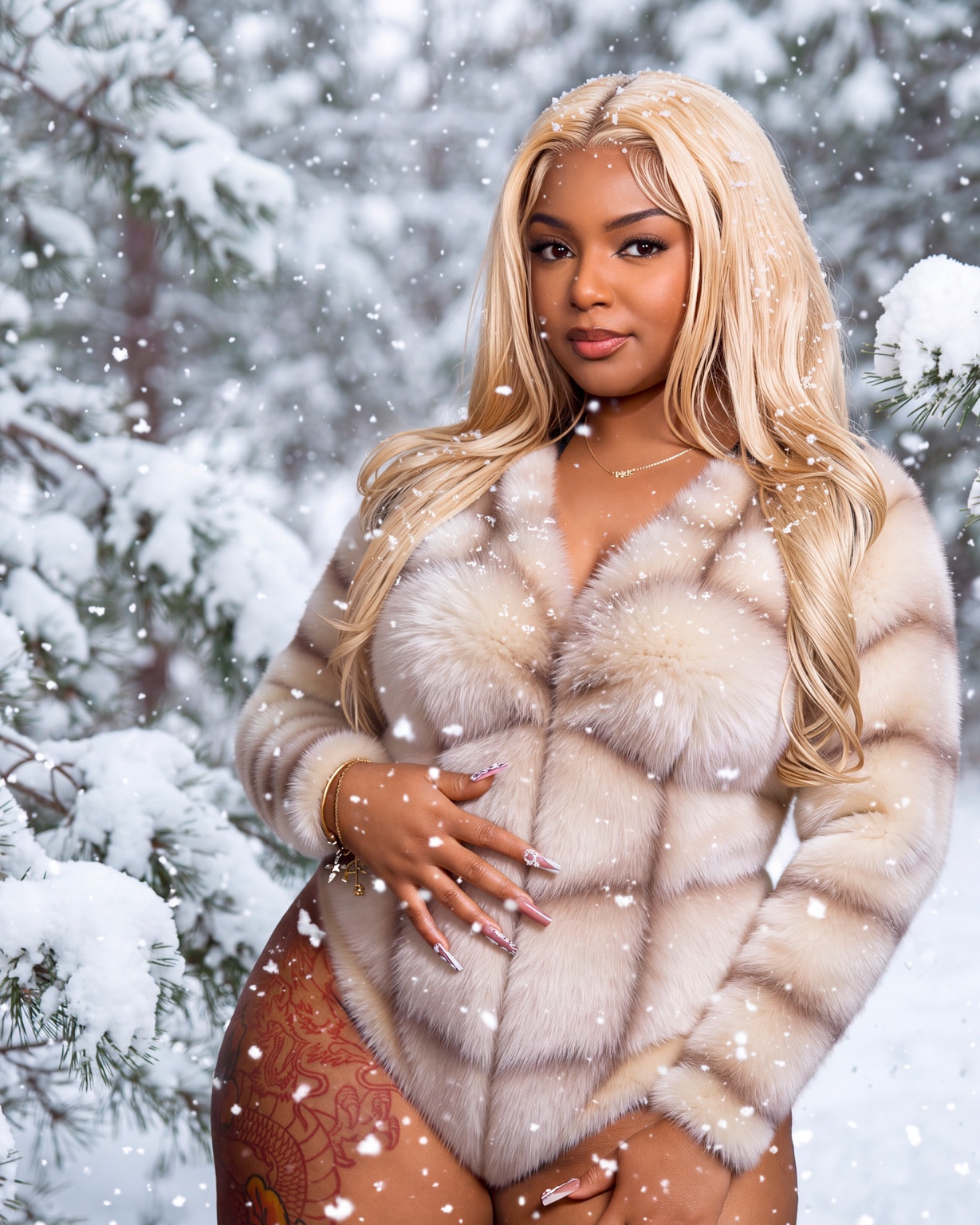
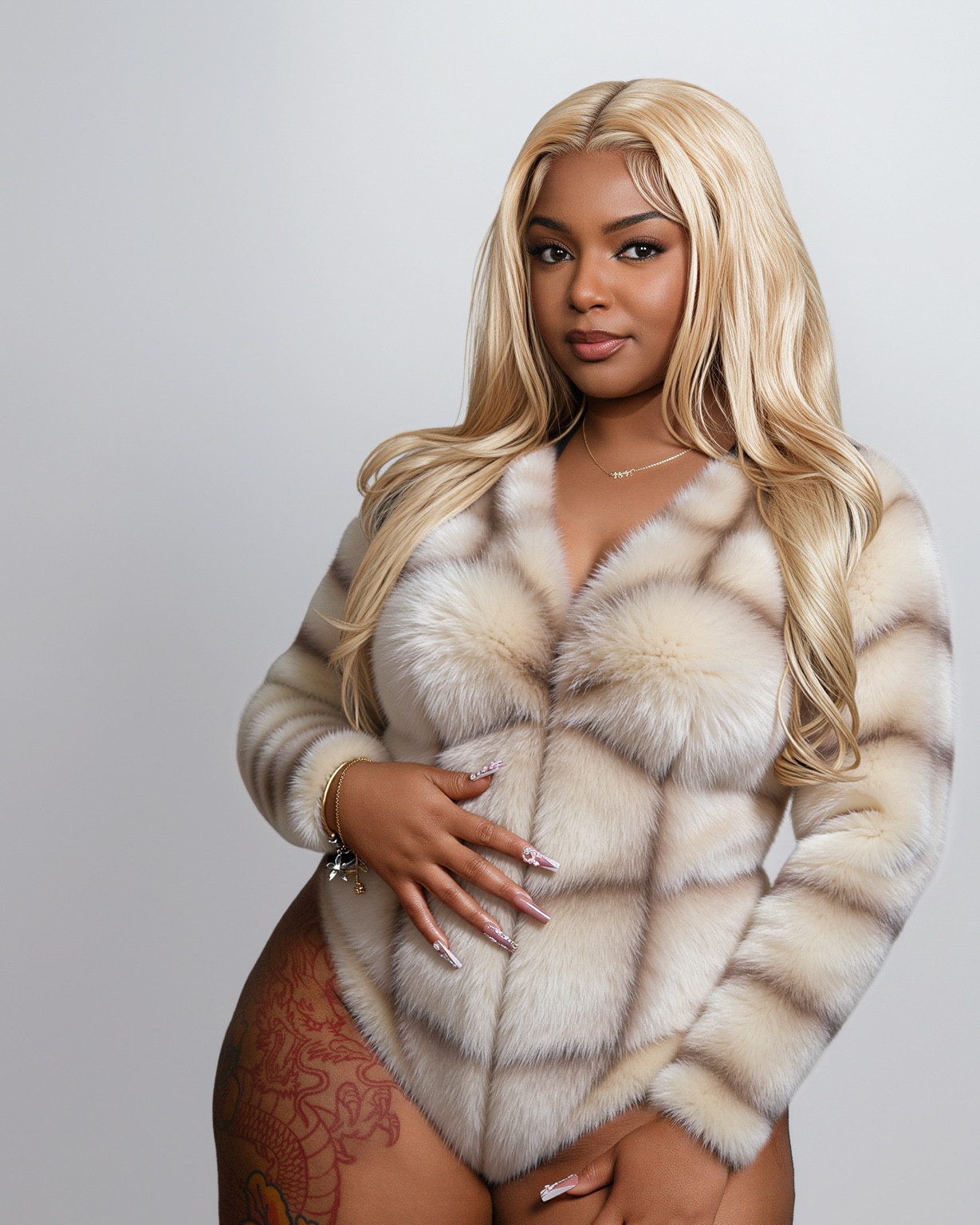
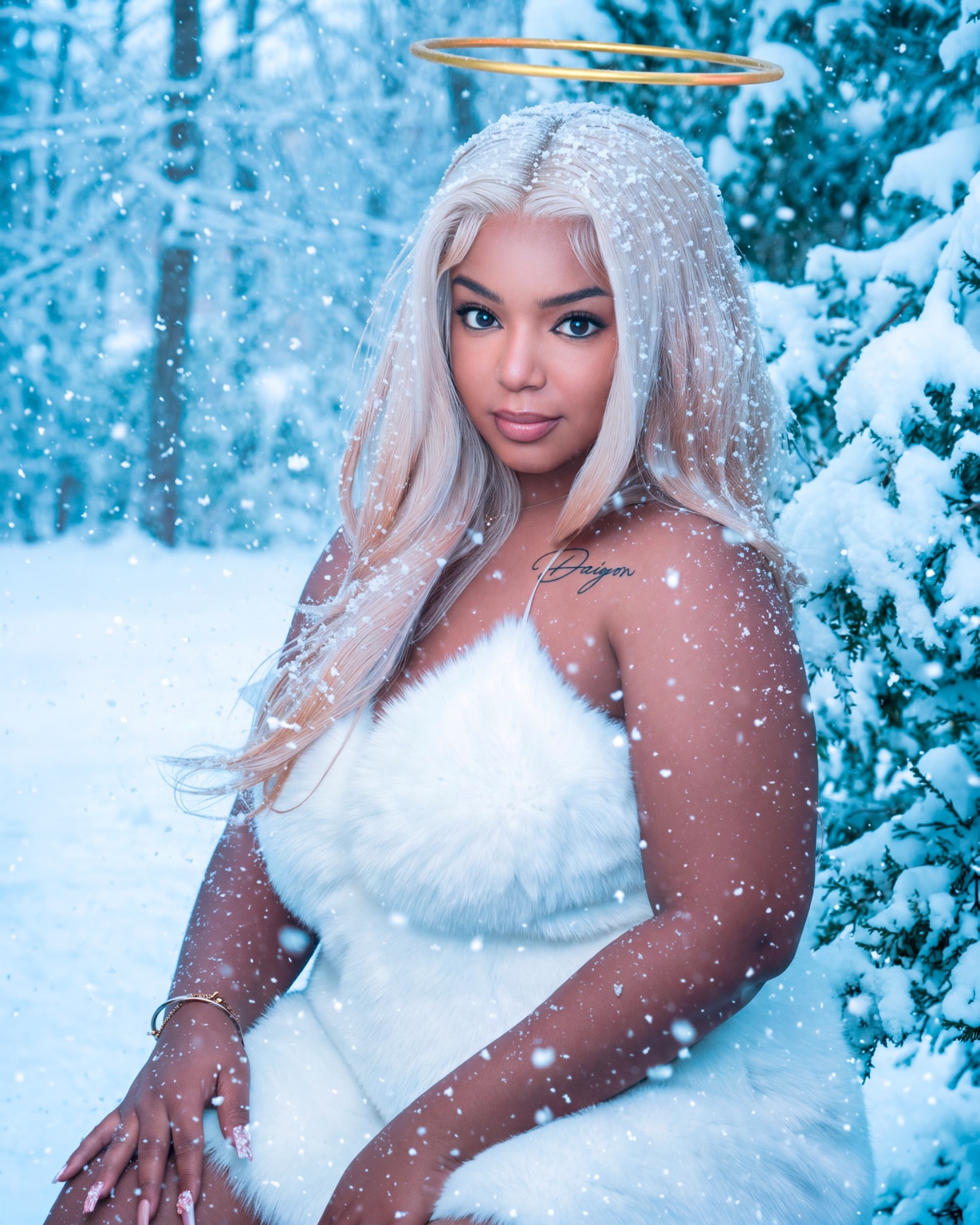
The winter images look at transformation through texture, atmosphere, and setting. The neutral-background portraits make the pale clothing and its different textures easy to read. Moving into snowy evergreens changes the sense of place. Falling snow adds depth, and the cool blue winter scene gives the golden halo a different visual weight from its warm, pink-lit studio counterpart.
AI-assisted experimentation is part of this broader creative exploration. When I’m exploring changes to clothing or an environment, preserving the original identity, pose, and expression is an important part of the direction. I want to bring realistic portrait detail into more fantastical settings while keeping the person recognizable. Light, scale, texture, and color need careful attention so the different elements can sit together convincingly.
Stained-glass pattern, a drawn halo, and a strong shadow share the frame.Warm pink light and a golden halo frame a direct portrait.A neutral setting keeps the focus on expression and pale textures.Snow and evergreens shift the portrait into a winter setting.A change in texture gives a familiar pose a different finish.Cool winter color gives the golden halo a new contrast.
Where I’m taking the work
Alongside the portrait work, I’m continuing to develop my motion graphics skills in Fusion and After Effects. The aim is to expand what I can create and how I can tell a story, with a stronger understanding of movement, timing, and how visual elements connect.
I’m continuing to explore how portrait work, creative direction, and cinematic storytelling connect. This selection is a useful look at that process: different approaches, different levels of transformation, and a consistent attention to the person at the center. I want to keep building that range while being deliberate about what each image needs.